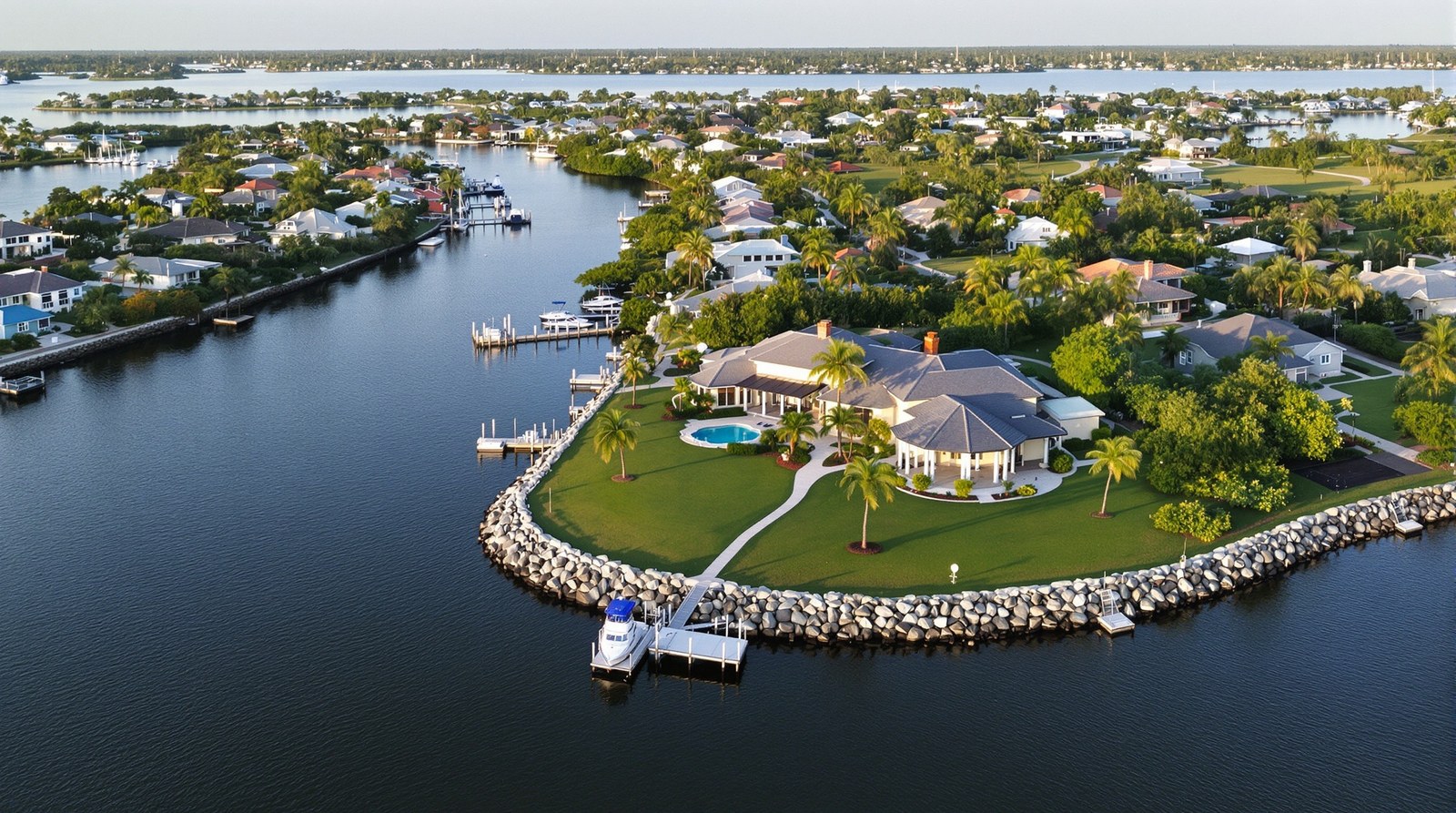
King tides are one of the clearest reminders that waterfront property protection is not only a storm-season issue. In Miami-Dade, high astronomical tides can push water into streets, yards, drains, canals, and low-lying waterfront areas even when the weather is calm.
The City of Miami describes king tide flooding as "sunny day flooding" — where streets and other areas may temporarily flood even when it is not raining. For waterfront homeowners, king tides can reveal weak points in seawalls, drainage systems, and low areas before a hurricane or tropical storm does.
What Is a King Tide?
A king tide is an exceptionally high tide that occurs when the gravitational forces of the moon and sun align in a way that raises tide levels above normal high tides. In South Florida, these events can be especially noticeable in low-lying coastal and canal-adjacent areas. King tides do not require rain to create problems — when the tide is high enough, water can rise through drains, over low seawalls, across docks, into streets, or onto waterfront yards.
Why King Tides Matter for Homeowners
For waterfront property owners, king tides are a practical stress test. They show how the property behaves when water levels are elevated. During a king tide, homeowners may notice:
These observations can help identify where the property is most vulnerable — and give owners time to plan before a major weather event.
Seawalls and Overtopping
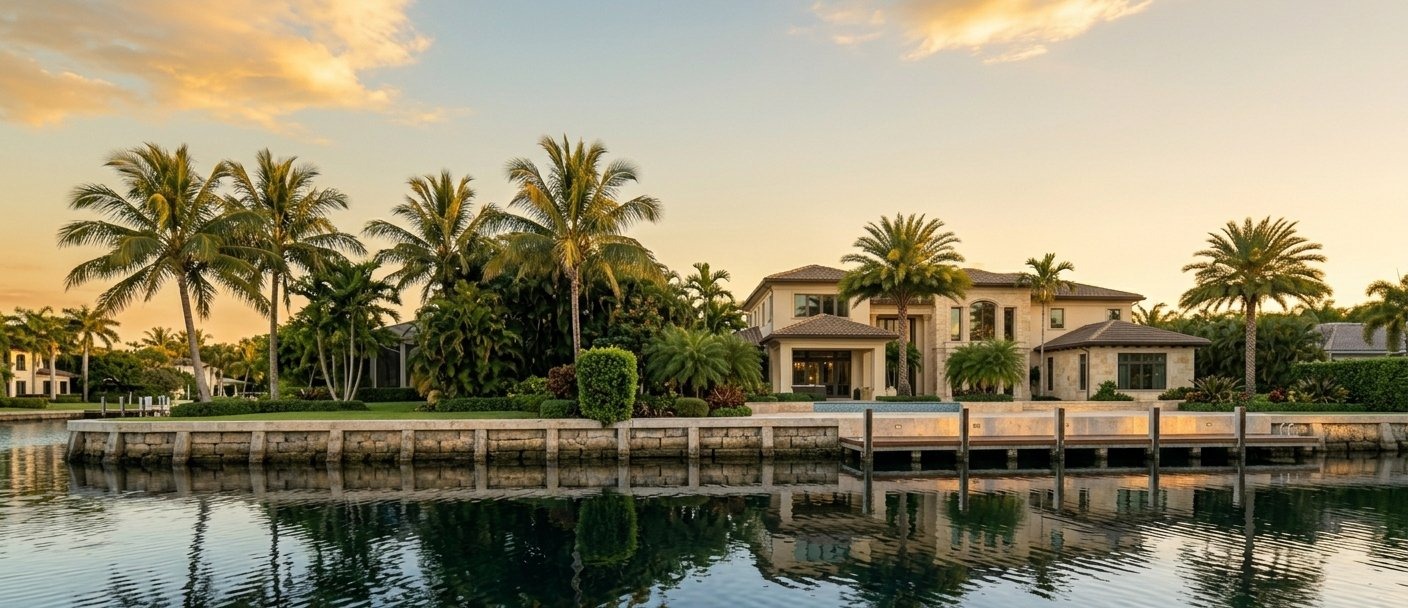
One of the most visible king tide concerns is seawall overtopping. If water regularly reaches the top of the seawall or spills over during high tides, the property may need a closer review. Overtopping can move water into lawn areas, pool decks, patios, docks, and low entries. It can also carry saltwater onto landscape areas and accelerate wear on materials not designed for repeated salt exposure.
If overtopping is paired with cracks, seepage, leaning, or soil loss, schedule a seawall assessment right away. These combined signs indicate the wall is under stress from multiple directions simultaneously.
Drainage Backup and Slow Runoff
King tides can reduce the ability of drainage systems to move water away from a property. If an outfall is influenced by tide, runoff may drain more slowly or appear to back up. This is why a property may flood more severely when heavy rain and king tide conditions overlap — the rain creates runoff, while the elevated tide limits where that runoff can go. Storm-runoff management should account for high-water conditions, not just ordinary rainfall.
Soil Saturation and Erosion
Repeated high-water events can saturate soil near the waterfront edge. Saturated soil may become softer, heavier, and more prone to movement. If water finds pathways through seawall joints or cracks, it may also carry soil away from behind the wall. Signs to watch for include:
- Soft areas near the seawall after high tides
- Small sinkholes or depressions near the waterfront
- Soil loss around drains or hardscape
- Pavers settling near the water's edge
- Landscape beds washing out after king tide events
- New wet areas that persist after high tides recede
These conditions should be documented with photos and monitored over time.
"King tides don't create problems. They reveal problems that already exist. Use them to understand your property's weak points."
King Tides and Property Planning
King tide observations are useful before major improvements. If you are planning a pool renovation, dock upgrade, patio expansion, landscape redesign, or home addition, watch how the property behaves during high tides first. Ask: Where does water enter the property? Which areas drain slowly? Is the seawall high enough for current conditions? The answers can inform a better renovation plan and prevent costly sequencing errors.
What Homeowners Can Do
- Walk the property during high tide when it is safe to do so
- Photograph water levels at the seawall, dock, drains, and low areas
- Note whether flooding occurs without rain
- Compare drainage performance during normal tides and king tides
- Keep storm drains and drainage paths free of debris before king tide season
- Schedule a professional review if you see repeated water intrusion, soil loss, or seawall movement
South Miami Waterfront Protection can help evaluate seawall height, drainage behavior, runoff movement, erosion risks, and long-term protection options for Miami-Dade waterfront properties across Coral Gables, Coconut Grove, Cutler Bay, and South Miami. Related: seawall protection, storm-runoff management, waterfront assessments.