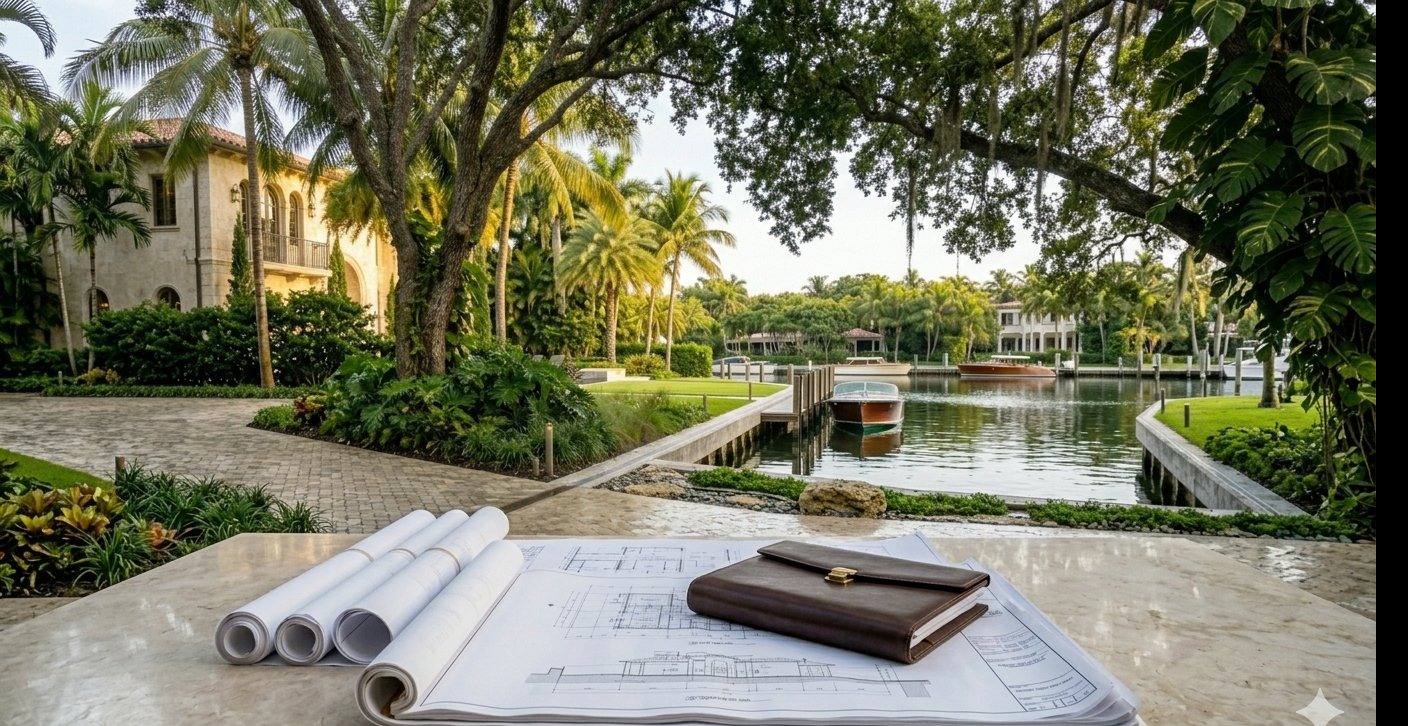
Seawall work in Miami-Dade is not the kind of project homeowners should start casually. Because the work often occurs near tidal waters, canals, coastal wetlands, mangroves, docks, drainage systems, or regulated waterfront areas, permits and approvals may be required before construction begins.
The exact permit path depends on the property, waterbody, municipality, scope of work, and whether the project involves repair, replacement, elevation change, new construction, drainage, fill, excavation, or work over water.
Start With the Class I Permit Question
Miami-Dade County states that a Class I Permit must be obtained before work in, on, over, or upon tidal waters or coastal wetlands in Miami-Dade County or any municipality within the county.
That matters because many seawall, dock, shoreline, dredging, fill, mangrove, and waterfront construction activities can trigger environmental review. Even if the project seems small, the location and scope may bring it under regulated coastal review. Examples of work that may require Class I review include:
- New seawall construction
- Seawall replacement or major repair
- Seawall cap changes or elevation increases
- Work below or near the mean high-water line
- Riparian buffer or living shoreline work
- Shoreline stabilization
- Fill or excavation near tidal waters
- Mangrove or wetland-adjacent work
- Drainage outfall changes
- Living shoreline or riparian buffer work in regulated areas
Municipal Permits May Also Apply
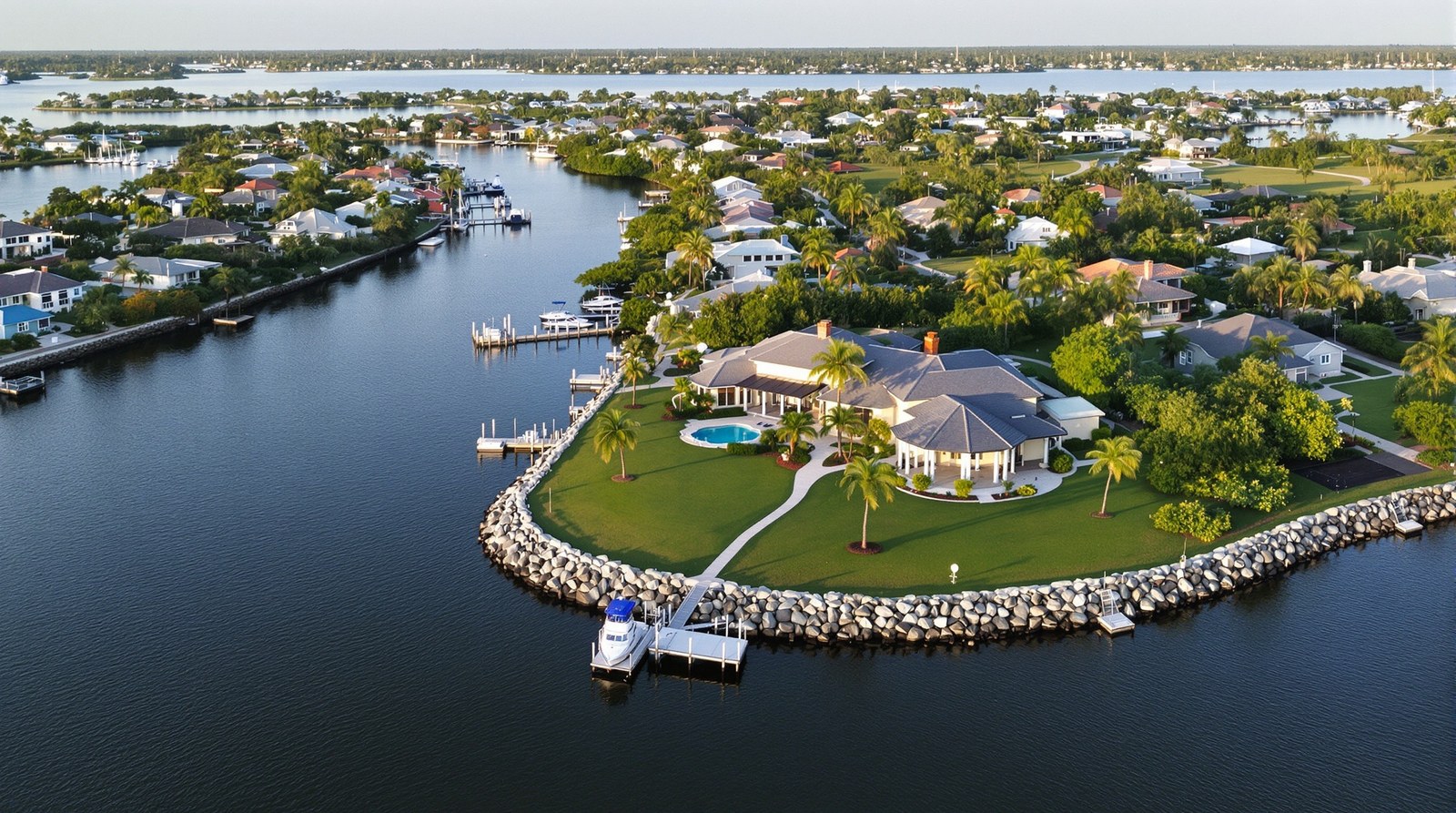
Miami-Dade is not the only authority that may matter. A property in Coral Gables, South Miami, Miami, Cutler Bay, Pinecrest, or another municipality may also require city or village building permits, zoning review, floodplain review, public works review, or right-of-way coordination.
The municipal review depends on the city and the project. For example, a project that changes grading, drainage, hardscape, seawall height, dock access, or waterfront structures may need review beyond the county environmental permit.
State and Federal Review May Be Involved
Some projects may involve state or federal agencies depending on the waterbody, wetlands, navigation, habitat, or scope. Miami-Dade's Class I materials note that other agencies, including FDEP, SFWMD, and the U.S. Army Corps of Engineers, may have jurisdiction depending on the project. This is why owners should avoid assuming that one approval means the entire project is cleared. A complete permit path should be mapped before construction starts.
Repair vs. Replacement — Why It Matters
The permitting path may differ depending on whether the project is a minor repair, major repair, replacement, new wall, cap raise, or shoreline redesign. Questions that may affect the review include:
- Is the wall being repaired in place or replaced entirely?
- Is the wall moving waterward or landward?
- Is the top elevation changing?
- Will fill or excavation occur?
- Are docks, lifts, or utilities affected?
- Are mangroves or wetlands nearby?
- Will drainage outfalls change?
- Is the property in a flood zone?
"The earlier the permitting path is considered, the easier it is to plan realistic timelines and avoid unnecessary disruption to your waterfront estate."
Why Permitting Affects Project Timing
Permitting can influence design, cost, staging, construction method, and timeline. A project that looks straightforward in a contractor conversation may become more complex once environmental, municipal, floodplain, or drainage review is considered. Homeowners planning work before hurricane season, before listing a home, or before beginning a pool or dock renovation should start the permitting conversation early.
Documents and Information Owners May Need
Don't Ignore Drainage
Many seawall problems are connected to drainage behind the wall. If water is collecting behind the wall, pushing through joints, or carrying soil away, a seawall repair plan should consider storm-runoff management. Drainage work may also require review depending on how water is collected, treated, retained, or discharged. Owners should not treat drainage as an afterthought.
How South Miami Waterfront Protection Helps
South Miami Waterfront Protection helps owners organize the early planning conversation. We review visible property conditions, identify likely concerns, and help outline the next steps needed before design, permitting, or construction. We help homeowners understand what questions to ask and what information to gather so the project can move forward with clarity.
If you are planning seawall repair, replacement, drainage improvements, riparian buffer installation, or a waterfront renovation in Miami-Dade, start with a waterfront property assessment. We serve Coral Gables, Coconut Grove, South Miami, Cutler Bay, Pinecrest, and all of Miami-Dade, Broward, and Palm Beach County.