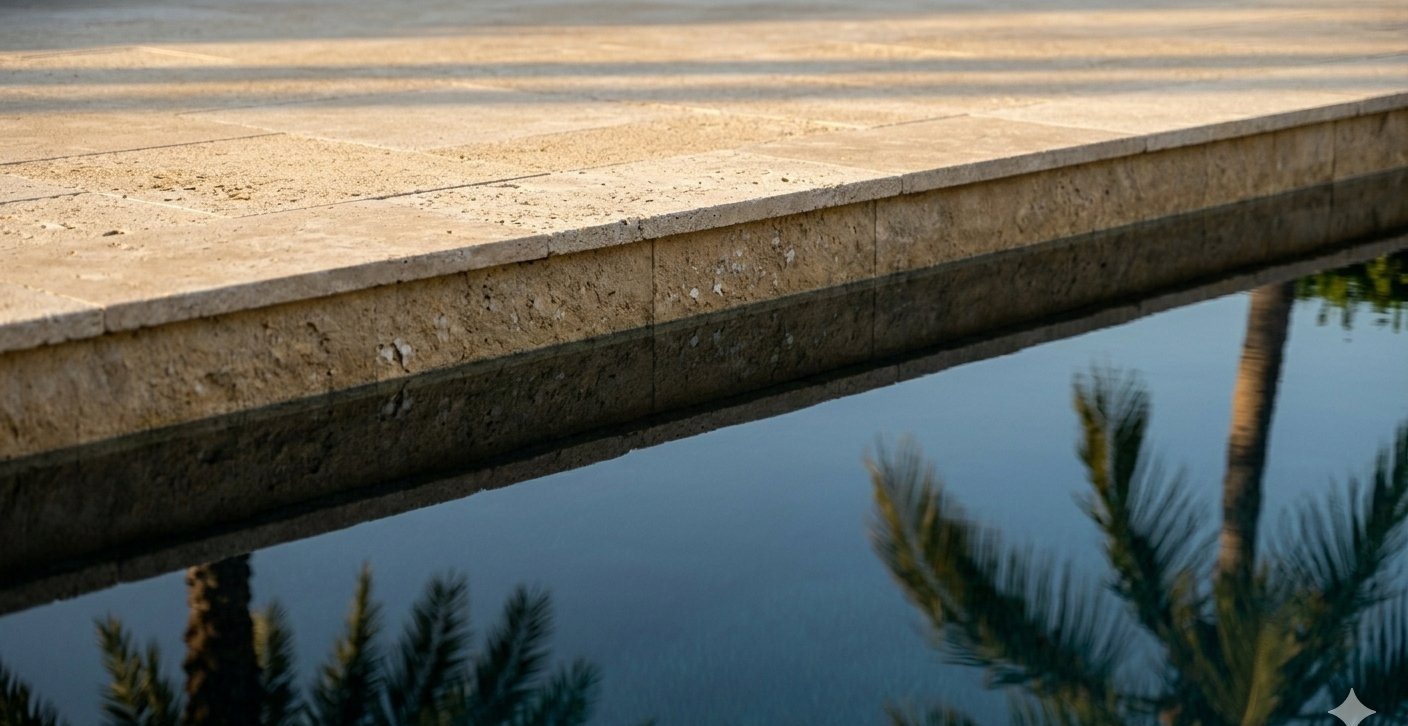
Seawall cap inspection — South Florida marine concrete restoration
Repair the Cause, Not Just the Surface
Many seawall problems begin behind the wall. Poor drainage, trapped water pressure, soil loss, failed joints, aging concrete, corroded reinforcement, and repeated tidal exposure can all contribute to visible damage. That is why a surface patch alone is not always enough. A seawall restoration plan should look at the full system:
- Wall panels and cap condition
- Tiebacks, anchors, and structural support
- Drainage behind the seawall
- Soil erosion or void formation
- Joint separation or water pathways
- Adjacent docks, patios, pools, utilities, and landscaping
- Water elevation patterns during high tide and heavy rain
Signs Your Seawall May Need Repair
Schedule an assessment if you see any of the following on your South Florida waterfront property:
- Horizontal, vertical, or stair-step cracking
- Concrete spalling or flaking
- Rust stains or exposed steel reinforcement
- Soil washing out from behind the seawall
- Sinkholes, depressions, or soft spots near the waterfront edge
- Seawall leaning, bowing, or movement
- Failing joints or panel separation
- Water seepage through the wall
- Drainage outlets that appear clogged, damaged, or ineffective
- Landscape or hardscape settling near the shoreline
Even small symptoms can indicate larger forces acting behind the structure. Early review can help prevent a manageable repair from becoming a major reconstruction project.
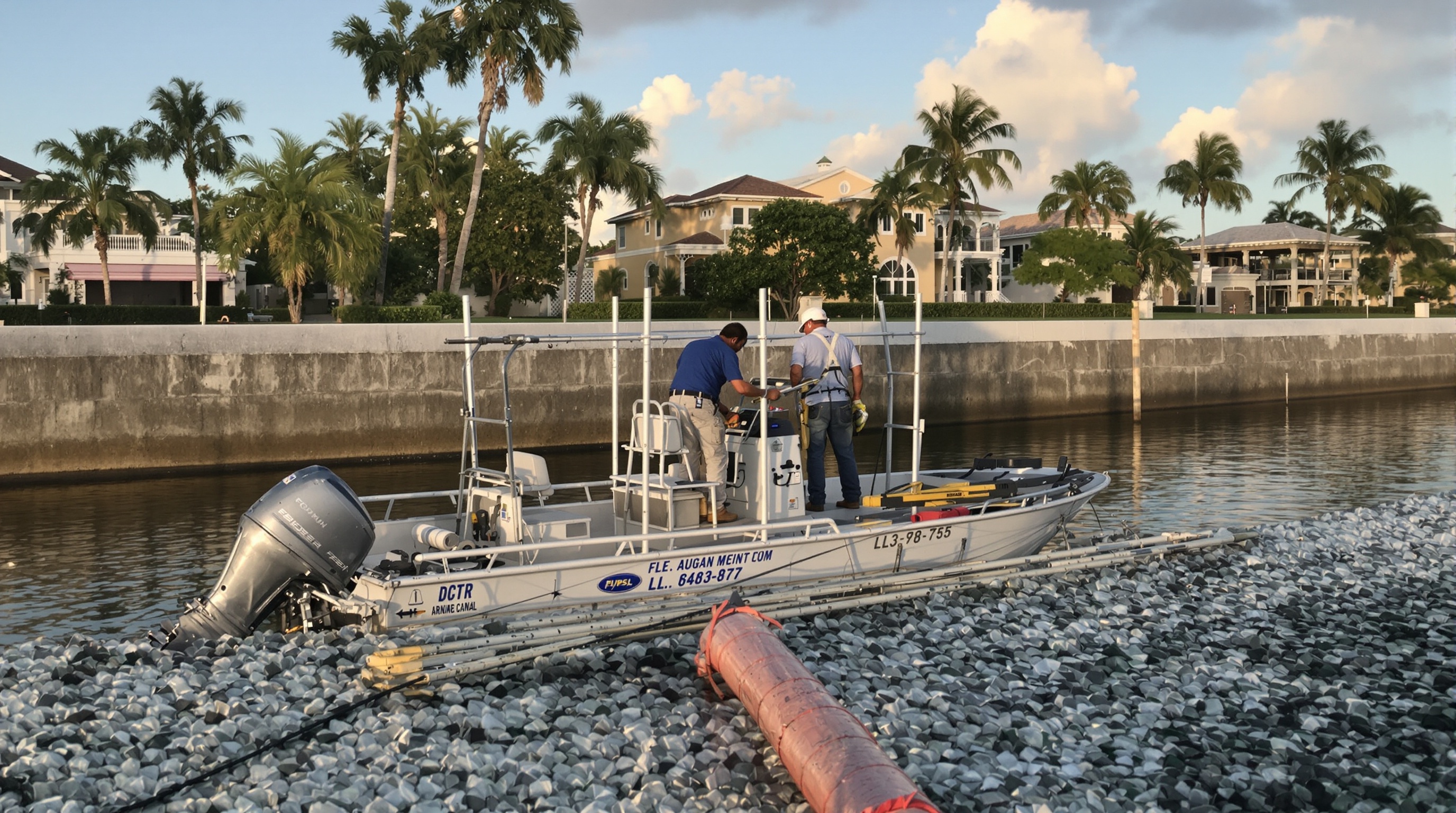
Restoration Planning for Waterfront Estates
High-value waterfront properties need repair plans that consider more than the wall itself. Access, aesthetics, landscaping, dock use, pool areas, neighboring properties, and regulatory review can all affect the best path forward.
Common Seawall Restoration Solutions
- Concrete restoration and spall repair
- Crack evaluation and repair planning
- Joint repair or sealing
- Cap repair or cap replacement planning
- Drainage outlet improvements
- Soil stabilization behind the wall
- Tieback or anchoring evaluation
- Panel reinforcement planning
- Erosion control behind and around the wall
- Full replacement planning when repair is no longer appropriate
Seawall damage tends to worsen when water finds a path through or around the structure. Acting early can help preserve options, scheduling flexibility, and budget control. If your seawall shows cracks, erosion, rust, settlement, or water seepage, schedule a review before the next storm season.
Also explore our seawall protection services, storm-runoff management, and waterfront property assessments.